
Bring your work to aerospace.
Aerospace engineer Davis Booth helps you choose a role, show what you can do and reach the people who hire for it.
Where is your search getting stuck?
Pick the situation that sounds familiar. Davis uses four patterns to help engineers decide what to change before they send the next application.
Inside the 12-question auditMy experience fits. My résumé gets passed over.
The Mispositioned Engineer
Read the first two lines of your résumé beside a job description. Could someone tell which role you want and which piece of your work prepares you for it? Put that evidence first.
I’m applying in too many directions.
The Scattered Applicant
Choose a kind of work you want to do. Build a short list of teams doing it, then check their open roles, location and the backgrounds of people they already hire.
I submit the application and wait.
The Silent Applicant
Find an engineer doing work that interests you. Mention one specific thing about their work and ask a question they could answer in a short conversation.
I don’t know anyone inside the industry.
The Isolated Specialist
Follow a team in your field. When someone shares a technical decision, contribute an informed question. That gives you something to return to when you reach out.
Give the interview
something real.
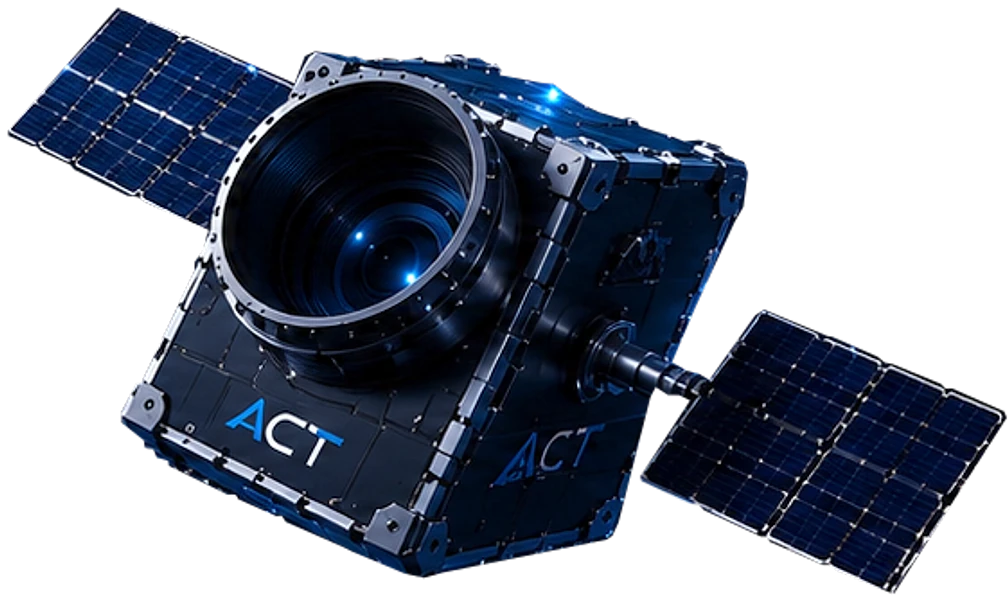
ACT’s engineering cohorts work on a concept for a constellation of small space telescopes. One of their first design questions is where the spacecraft should orbit.
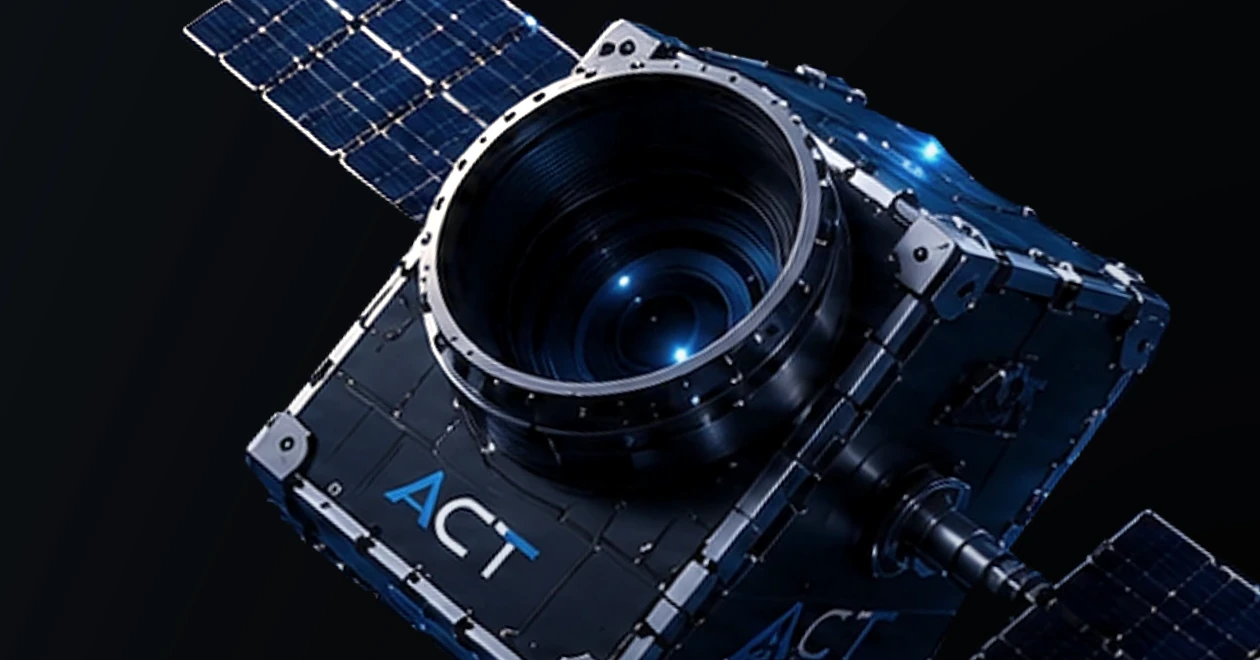
Compare three orbits.
One ACT assignment asks you to compare three candidate orbits. How long can the telescope observe? How much time will the spacecraft spend in eclipse? Your answers give the electrical team a starting point for battery sizing.
Show why you chose one.
Build a comparison matrix, name your assumptions and recommend an orbit. In an interview, that single page lets you explain a choice you owned and a trade-off another team had to design around.
Meet the six disciplines
The view from the hiring table.
“Think about how we handle a test failure in engineering. You don't just keep running the same test and hoping. You find the failure point first.”
Davis supported NASA missions as a contractor, worked as a systems engineer at United Launch Alliance and reviewed candidates as an engineering supervisor. He started ACT to bring that hiring-side perspective to engineers trying to get in.
Read Davis’s storyWhat kind of help would move you forward?
- Search audit
- Twelve questions to identify the part of your search to work on first. Start here if you’re still figuring out what’s wrong.
- Free
- Strategy session
- Bring a role you want, your résumé and a question. In a private 45-minute call, Davis helps you prioritize your next moves.
- $150
- One-month mentorship
- Apply for a month of direct work with Davis. He takes one student per month and reviews the application before payment.
- $2,500
“The program has challenged me to communicate more clearly, take ownership, and build toward the engineer I am working to become.”
 Oswaldo GarciaSystems engineering, ACT member
Before you begin.
Can I use ACT if I work outside aerospace?
Yes. Start by identifying a role you want and a project where you solved a related problem. The audit looks at how you present that experience, where you apply and who you reach inside the field.
What if I’m already in aerospace and want to move up?
Tell your manager which responsibility you want next. If it’s integration, ask to join a cross-team design review. Keep a record of the problems you solved and the tests or people you led, so your next conversation can refer to work others have seen.
What if I’m still a student?
A lab, capstone or team project gives you something concrete to discuss. Start with the decision you owned, the constraint you worked under and what you learned. The project page shows how engineering cohorts approach that work.
Should I take the audit or watch the briefing?
Take the audit if your applications have stalled and you want to identify a specific problem. Watch the free briefing if you’re earlier in the process and want Davis’s perspective on choosing a direction.
Do I need to enroll to talk with Davis?
You can book a standalone $150 strategy session. The one-month mentorship has a separate application and approval process.
Find your first move.
Five minutes with the Aerospace Search Audit can give your next week of applications a direction.
Take the free search audit